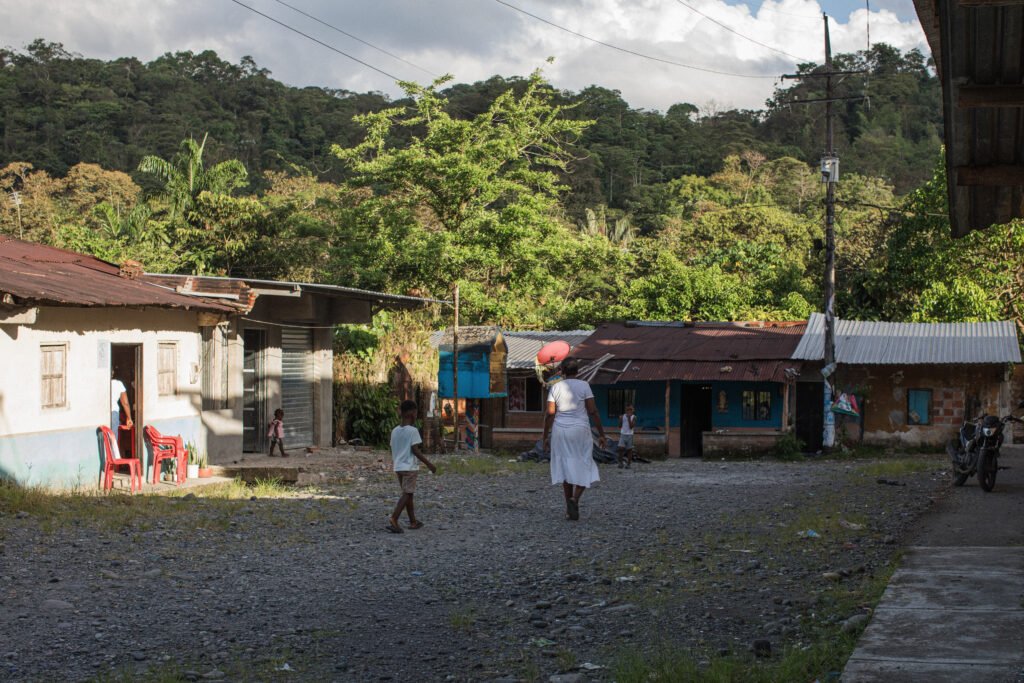
In a rural community historically affected by Colombia’s armed conflict, the sound of an explosion interrupted. No one fully understood what was happening. Some people left their homes looking for shelter; others ran to find their children. Fear began to spread through the territory differently.
For years, Afro-Colombian and Indigenous communities across various regions of the country have lived with the consequences of armed conflict. Yet its impact extends far beyond the fighting: it transforms everyday life, alters people’s relationship with their territory, and forces communities to live with fear, uncertainty, and the need to resist in order to remain in their homes.
Fear came from the sky
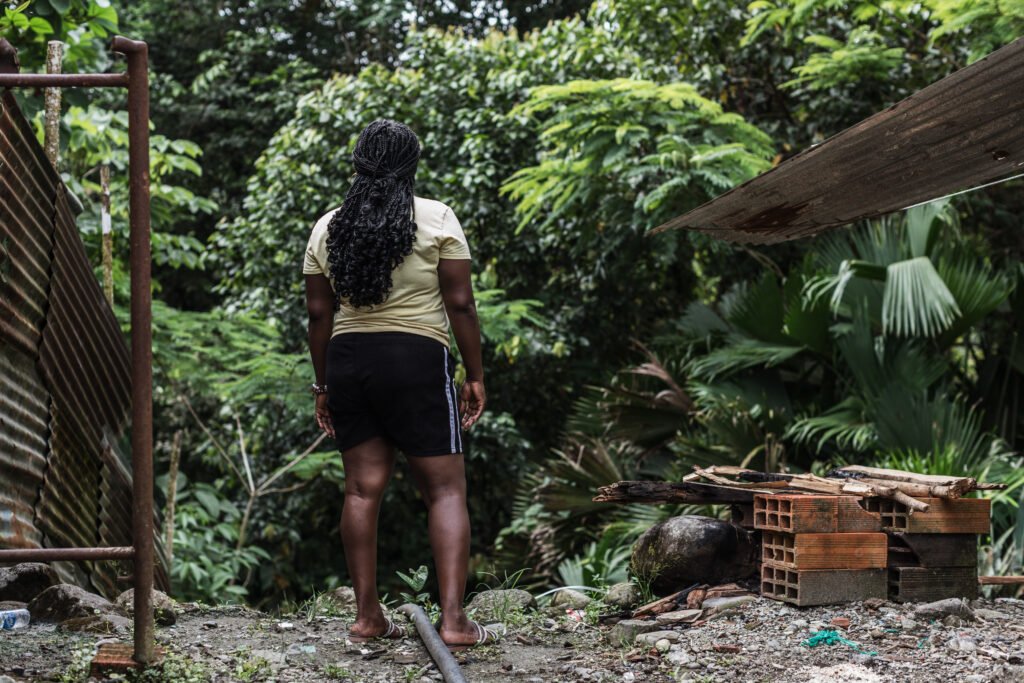
“In the morning, we heard an explosion, but no one knew where it had taken place,” recalls Miriam*, a community member. “When they called to tell me it was further up, I ran to find my son.”
Recent drone attacks have generated widespread fear and uncertainty among families, altering the daily lives of communities that have historically endured other forms of violence. Residents describe scenes of panic, with people fainting and entire communities being confined. Since fear began arriving from the sky, the way communities live in and move through their territory has once again been transformed.
“It was an incident that left people deeply shaken. Some even fainted from fear,” says José*, a community leader. “People go to bed afraid and wake up afraid because they don’t know what might happen during the day.”
Movement restrictions have severely disrupted essential activities for local communities, particularly farming, fishing, and accessing food. Many families have stopped going to their plots of land for fear of being caught in violent incidents.
“We had never experienced a situation like this within the community. Much of what we planted was destroyed; we can no longer go to our plots, and now we have almost no way to feed ourselves,” explains José*.
Life put on hold
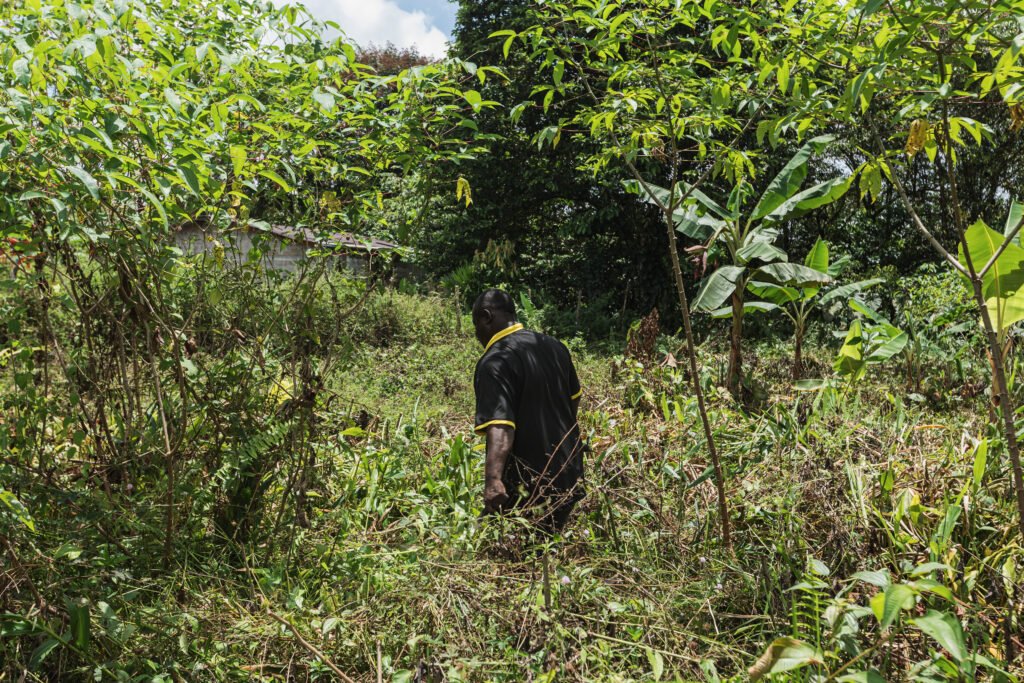
In these territories, conflict threatens more than physical safety: it alters community dynamics, disrupts life plans, and slowly erodes the peace of mind of those who have lived there for generations.
“The conflict has been deeply painful for our community because it has taken everything from us. It has even stripped away parts of our culture,” says José*.
The impact also extends to families’ mental and emotional well-being. Living with constant uncertainty forces many to remain prepared to leave at a moment’s notice—even those who have suffered displacement in the past. As Carmen*, a resident of the community for over 30 years, recalls: “We were already displaced and had to start again from scratch. Anyone who lives through this has to find the courage to face it, because it isn’t easy.”
Here is a refined version that enhances sentence cadence, vocabulary precision, and structural flow while preserving your exact meaning and the speaker’s voice:
Amid these difficulties, many families struggle to sustain their daily lives while navigating restrictions on movement, farming the land, and accessing basic opportunities. For many, fear has even reshaped the way they view the future.
“You always think about moving forward, about your family’s future. But when all these forms of violence arrive, people end up adopting different ways of living,” explains José*
Resisting as a community
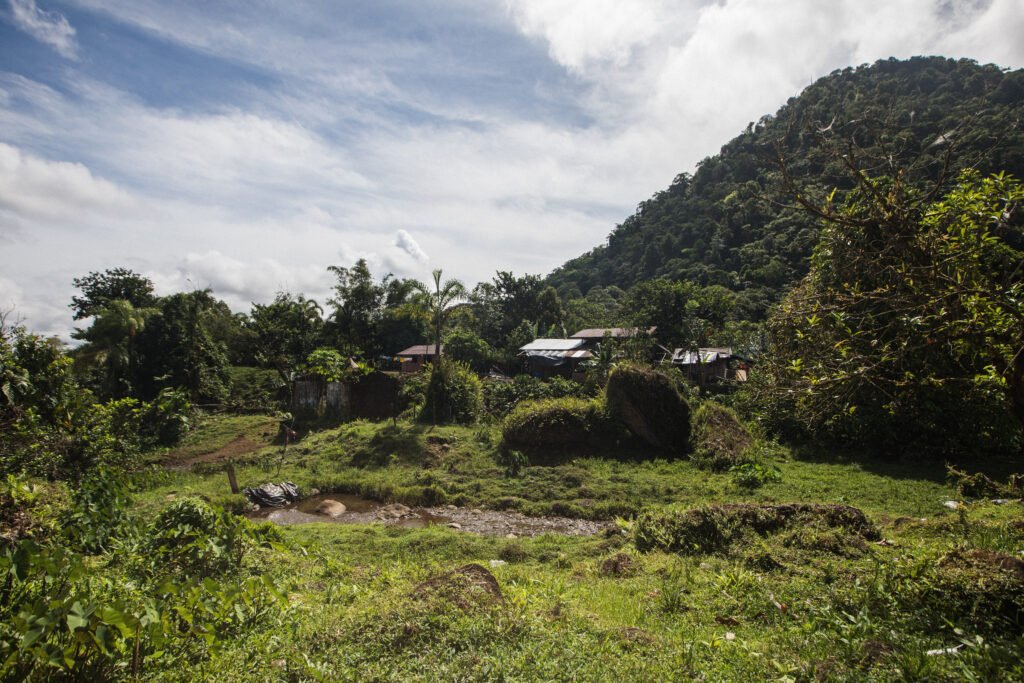
Despite these severe impacts, communities continue to organise to resist and remain in their territory. Solidarity among neighbours, collective action, and cultural ties remain essential ways of sustaining life amid uncertainty.
In many cases, community networks have been vital in responding to the impact of conflict—sharing food, caring for families, and keeping alive traditional practices connected to the territory.
“I see my community growing bigger—bigger than it is now. I see us returning to our rivers, our beaches, our plots of land. I see us with greater peace, more love, and more opportunities,” says Miriam*, who dreams of a better future for her community. “We are prepared for peace, not for this. We are living through a conflict that is not ours.”
Resuming Life in the Territory
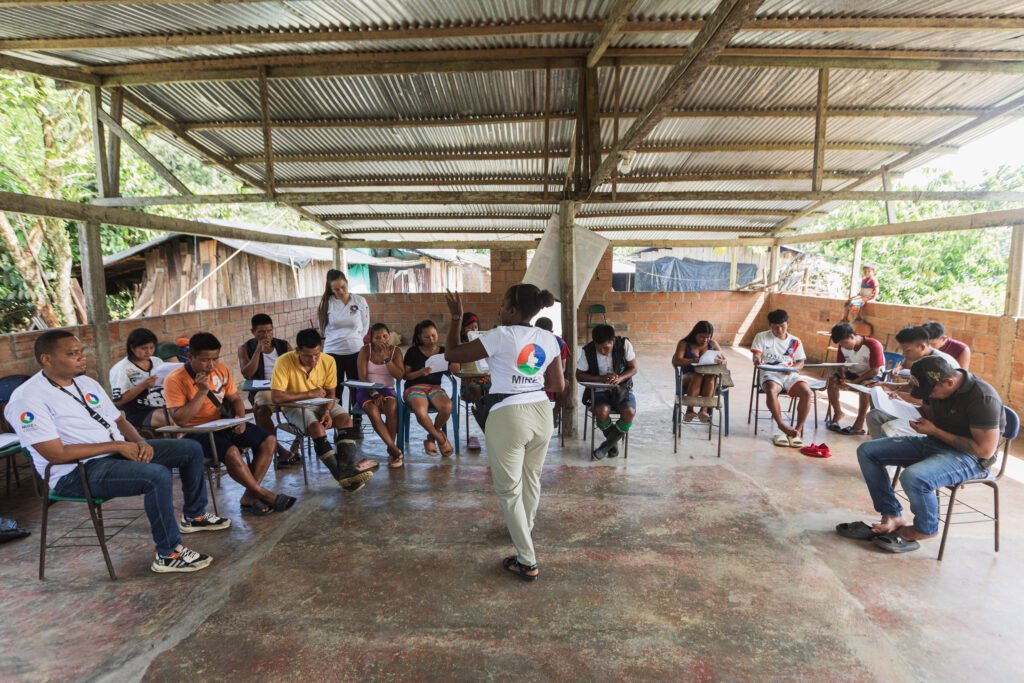
Against this backdrop, Afro-Colombian and Indigenous communities took part in collective spaces to identify priority needs and strengthen early recovery processes related to access to water, food security, livelihoods, and community well-being.
With support from the MIRE+ Consortium, communities engaged in dialogues, activities, and participatory processes that aimed to develop solutions rooted in the realities of their territories and in the knowledge of those living in these regions.
These early recovery processes sought to strengthen existing community capacities and support initiatives that enabled families to restore basic conditions to remain in their territories with dignity. For many, rebuilding communal spaces, restoring crops, and moving through their territory without fear were also ways of resisting the conflict and imagining a possible future once again.
The support of the MIRE+ Consortium was made possible through funding from the European Union, the United States Department of State, the Spanish Agency for International Development Cooperation (AECID), and the Swiss Agency for Development and Cooperation (SDC).
The MIRE+ Consortium is an emergency response mechanism established in 2020, led by the Norwegian Refugee Council in partnership with Médecins du Monde and Pastoral Social. Together, they provided humanitarian assistance and supported the early recovery of communities that had been displaced, confined, or facing complex humanitarian situations due to armed conflict and disasters in Colombia.
* This name has been changed to protect identity and respect local preferences.